

Finding useful information about music, speakers, headphones, and audio technology can feel harder than it should. Search results often mix product pages, reviews, forums, and promotional content, making it difficult to know where to begin. That is where understanding how to TheSoundsTour can make the process easier.
TheSoundsTour is presented as an online information resource centered on music, sound, audio equipment, and related topics. Rather than treating every article as a recommendation, readers can use the site as a starting point for research and then verify important details through manufacturer documentation and other reliable sources. In this guide, you will learn how to navigate TheSoundsTour, identify useful articles, research headphones and speakers, understand motorcycle audio topics, and make better use of online sound guides. The goal is simple: help you search with purpose instead of clicking through pages without a clear plan.
What Is TheSoundsTour?
TheSoundsTour can be approached as a digital content platform focused on sound and related interests. Its subject area may appeal to readers who enjoy music as well as people researching audio equipment for home, personal, automotive, or outdoor use. Understanding that broad scope is the first step in learning how to TheSoundsTour effectively.
When using an audio website, it helps to separate editorial information from specifications supplied by manufacturers. A useful article can explain terminology, compare common features, or point you toward questions worth asking before buying equipment. However, technical specifications can change between models and product generations. For that reason, readers should confirm important details with the official product documentation before making a purchase.
The easiest way to think about TheSoundsTour is as a research starting point. You can use relevant articles to learn vocabulary, understand different audio categories, and identify features that matter to your particular setup. From there, independent verification can help you make a more informed decision.
How to TheSoundsTour for Music Information
If your primary interest is music, begin with the site’s music related material rather than jumping directly into equipment recommendations. Look for articles that discuss listening, audio experiences, sound quality, music technology, or related subjects. This approach helps establish context before you start comparing products.
Search intent matters, too. Someone looking for information about music production has different needs from someone searching for headphones for everyday listening. Similarly, a reader interested in live sound may care about equipment and acoustics that are irrelevant to a casual listener. Learning how to TheSoundsTour means matching the article to your actual question.
As you read, pay attention to specific terminology. Words such as frequency response, impedance, drivers, sensitivity, amplification, stereo imaging, and noise isolation can appear frequently in audio discussions. Understanding these terms makes later research much easier because you can search for precise information instead of relying on vague phrases such as good sound or powerful speakers.
Music and Audio Guides
Audio guides are most useful when they explain why a feature matters rather than simply listing specifications. For example, a discussion about headphones may mention closed back or open back designs. Those terms describe different approaches to headphone construction and can affect sound presentation, isolation, and how much sound reaches the surrounding environment.
Likewise, speaker guides may discuss placement, room size, amplifier requirements, connectivity, or listening distance. These factors can influence the experience just as much as the speaker itself. A product that works well in a large room may not be the right fit for a small desk setup.
When learning how to TheSoundsTour, read guides with a specific question in mind. Instead of trying to memorize every technical detail, identify the information that applies to your situation. Then confirm model specific specifications through reliable sources. This creates a more practical research process and reduces the risk of choosing equipment based on one isolated feature.
Motorcycle Audio
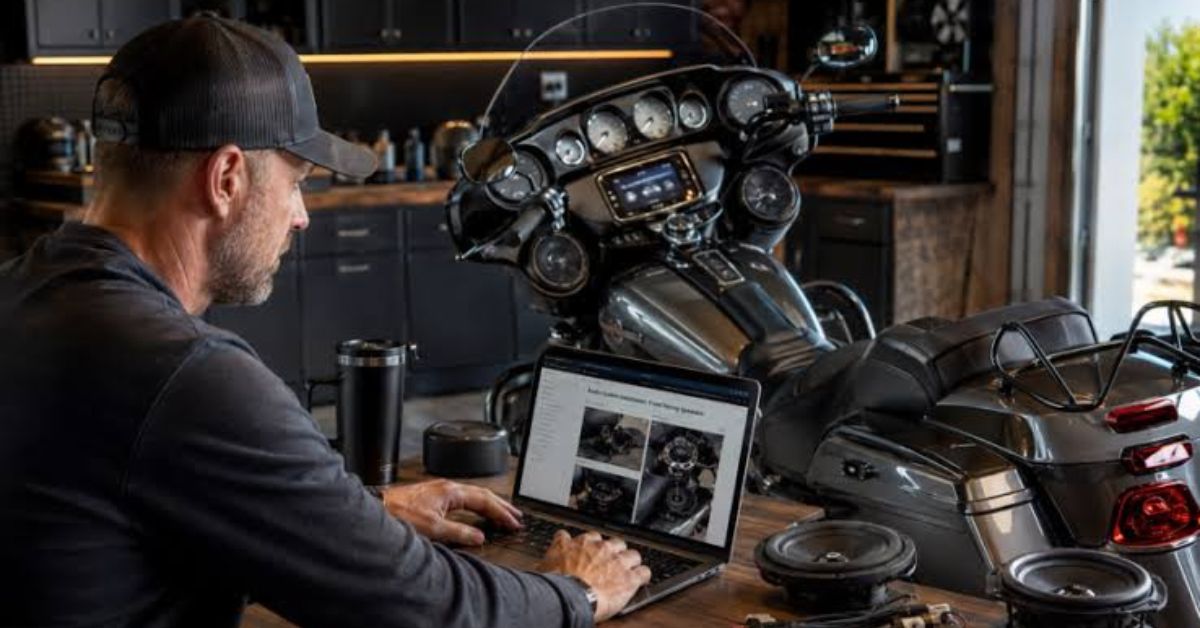
Motorcycle audio has different requirements from ordinary home listening. Riders must deal with wind noise, vibration, weather exposure, limited mounting space, electrical constraints, and safety considerations. These factors make motorcycle audio a specialized category rather than a simple extension of home stereo equipment.
When reading motorcycle audio content, focus on the conditions in which the equipment will operate. Weather resistance can be important for exposed components. Installation also deserves attention because a poorly secured device or improperly routed wiring can create practical and safety problems. Readers should follow the motorcycle and equipment manufacturer’s installation instructions.
Another important consideration is listening while riding. Audio should never interfere with awareness of traffic, emergency vehicles, road conditions, or other hazards. If you use TheSoundsTour for motorcycle audio research, treat the information as part of your preparation rather than as a replacement for manufacturer instructions or responsible riding practices.
Smarter Speaker Research
Speaker shopping becomes easier when you define your needs before comparing models. Start with the room or environment. Consider its size, intended listening distance, available placement, and whether the speakers will be used for music, television, gaming, or several purposes.
Next, examine the technical features that actually affect your setup. Connectivity can be especially important. Depending on the product, you might encounter Bluetooth, Wi Fi, optical connections, HDMI, analog inputs, or other interfaces. Compatibility with your existing equipment can matter more than a long list of headline features.
Learning how to TheSoundsTour for speaker research therefore involves asking practical questions. Where will the speaker sit? What device will provide the audio signal? Do you need wireless connectivity? How loud does the system need to play? Does the room require a compact solution? Answering these questions first gives you a useful framework for evaluating information.
Choosing Headphones
Headphones come in many forms, and the right choice depends heavily on how you plan to use them. Over ear headphones can provide a different listening experience from in ear models, while open back and closed back designs serve different environments. Wireless headphones add convenience, whereas wired models can be attractive for listeners who prioritize simple signal connections or specific equipment compatibility.
Comfort should receive serious attention. Headphones can have excellent specifications and still be a poor choice if they become uncomfortable after extended use. Consider weight, ear cup design, headband pressure, fit, and adjustability. For people who wear headphones for several hours, these details can have a greater practical impact than minor specification differences.
When using TheSoundsTour to research headphones, create a short list based on your intended use. Think about commuting, office work, gaming, recording, home listening, or travel. Then compare battery life, connection options, microphone performance, noise control, comfort, and sound characteristics as appropriate. Finally, verify current specifications from the manufacturer’s official information.
Finding Useful Articles
A good search strategy can save considerable time. Instead of browsing randomly, use focused phrases based on your actual question. For example, a reader researching motorcycle speakers might search for motorcycle audio installation, weather resistant motorcycle speakers, or motorcycle Bluetooth audio. Someone researching personal listening might use terms related to wireless headphones, noise cancellation, or headphone comfort.
Article titles can also provide clues about the intended audience. A beginner guide may explain basic terminology, while a technical article may assume that you already understand audio concepts. Neither type is automatically more useful. The right article depends on what you are trying to accomplish.
One practical method for learning how to TheSoundsTour is to read several related pieces and look for consistent information. If multiple sources explain a technical concept in the same way, you have a stronger foundation. If claims conflict, investigate further rather than assuming the first statement you encountered is correct.
A Broad Editorial
A broad editorial approach can be useful because sound is connected to many areas of modern technology. Music, headphones, speakers, motorcycle audio, home entertainment, streaming, and portable devices can all overlap. A reader who starts with one topic may naturally encounter another.
However, broad coverage also means readers need to pay attention to context. An article written for casual music listeners may not address the needs of an audio professional. Similarly, a general speaker guide may not provide enough information for a complex home theater installation.
This is why learning how to TheSoundsTour should involve active reading rather than passive browsing. Identify who the information appears to serve, note the specific products or technologies discussed, and check whether the article provides enough evidence for the decision you need to make. Good research is rarely about finding one perfect page. It is about combining useful information from several trustworthy sources.
How to Use TheSoundsTour for Product Research
Product research works best when you begin with requirements instead of brands. Write down your budget, intended use, preferred connection type, space limitations, and any features you consider essential. This creates a simple checklist that you can use across different articles.
Then compare products using the same criteria. Looking at one product’s battery life while focusing on another product’s sound features can make comparisons misleading. A consistent checklist keeps the research balanced and easier to understand.
TheSoundsTour can help introduce you to product categories and relevant terminology. Still, product information should be checked before purchase. Manufacturers can update specifications, discontinue models, or release newer versions. Prices can also change quickly. For current availability and exact specifications, consult the manufacturer’s website or a reputable retailer.
Understanding Audio Terminology
Audio terminology can initially seem technical, but most terms become easier once you understand their purpose. Frequency response describes the range of frequencies a device can reproduce. Impedance relates to electrical resistance in an audio circuit and can matter when matching headphones with a source or amplifier.
Noise cancellation and noise isolation are also different concepts. Noise isolation generally refers to physical blocking of outside sound, while active noise cancellation uses electronics to reduce certain external sounds. The distinction is useful when researching headphones for travel, work, or other noisy environments.
Other common terms include codec, driver, amplifier, DAC, stereo, mono, latency, and bitrate. You do not need to become an audio engineer to research products effectively. Learning the handful of terms relevant to your intended purchase can make product descriptions far easier to evaluate.
Comparing Online Audio Information
Not every audio article has the same purpose or level of detail. Some pages are educational, some are reviews, and others may be designed primarily to promote products. Knowing this difference helps you interpret what you read.
Look for clearly stated claims and specific supporting information. If an article says that a product supports a particular connection, check the manufacturer’s specifications. If it makes a claim about performance, look for testing details or independent evidence where available.
The same principle applies to TheSoundsTour. Use articles as research tools, not as unquestionable authorities. Cross checking is especially important for expensive equipment, installation projects, compatibility questions, and technical specifications. This habit improves the quality of your research and helps separate useful information from marketing language.
How to TheSoundsTour for Beginners
Beginners should avoid trying to understand every audio concept at once. Start with the question you need to answer. If you want headphones, learn the basic differences between wired and wireless, open and closed back, and active noise cancellation and passive isolation.
If speakers are your focus, start with placement, room size, connectivity, and intended use. For motorcycle audio, focus first on environmental conditions, mounting, power, connectivity, and safe listening practices.
This step by step approach is one of the simplest ways to understand how to TheSoundsTour. You are not studying an entire industry. You are solving one research problem at a time. Once you understand the basics, more advanced terminology becomes much easier to follow.
Tips for Better Audio Research
Keep a small list of questions while reading. This can prevent you from getting distracted by specifications that have little relevance to your situation. For example, a traveler may care more about comfort and battery life than about a technical feature intended for studio use.
It is also useful to distinguish must have features from nice to have features. Your must have list might include Bluetooth connectivity, a particular input, a comfortable fit, or compatibility with an existing device. Everything else can be evaluated afterward.
Finally, check dates. Technology changes quickly, and an older article may describe a product that has since been replaced. When researching current purchases, use recent material alongside official manufacturer information. This is particularly important for software features, wireless standards, product availability, and pricing.
FAQs
How to TheSoundsTour for music information?
Start with music and audio related articles that match your specific question. Then compare important technical details with reliable external sources and current manufacturer information.
How to TheSoundsTour for headphone research?
Identify your use case first, such as travel, gaming, work, or home listening. Compare comfort, connection options, battery life, noise control, and other relevant features.
Is TheSoundsTour useful for speaker research?
It can serve as a starting point for learning about speakers, sound equipment, and related concepts. Verify important specifications and compatibility details before purchasing.
How to use TheSoundsTour for motorcycle audio?
Focus on equipment designed for the motorcycle environment, including mounting, weather exposure, vibration, power, and connectivity. Always follow manufacturer installation guidance.
How can beginners understand TheSoundsTour articles?
Start with one specific question and learn only the terminology needed to answer it. Use multiple reliable sources when a technical or purchasing decision requires confirmation.
Conclusion
Learning how to TheSoundsTour is mainly about using the platform with a clear research goal. Instead of browsing without direction, start by identifying what you need to know about music, headphones, speakers, motorcycle audio, or another sound related subject. Use relevant guides to build your understanding, learn important terminology, and identify useful product features.
At the same time, keep your research balanced. Manufacturer specifications, current documentation, and independent sources can help confirm information that matters to a purchase or installation. Technology changes quickly, so checking dates and current product details is important. Used this way, TheSoundsTour can be a practical starting point for readers who want to understand audio topics more clearly and make better informed research decisions.

SEO specialist and content creator with 4 years of experience in search engine optimization, keyword research, and digital publishing. Passionate about creating high-quality, user-focused, and trending content for JournelTrends.com while helping readers discover valuable information online.
